The House Edge Explained
The term “house edge” is fundamental in understanding how casinos operate and many players are drawn to the excitement of an online casino , which offers a variety of games. It represents the built-in advantage that casinos have over their players, ensuring that, over time, the house will always come out on top. This concept is critical for grasping why casinos can remain profitable despite the occasional player wins. Each game is designed to favor the house, with various house edges ranging from 1% to over 5%. For instance, in blackjack, the house edge can be as low as 1%, while in games like American roulette, it can exceed 5% due to the additional double zero on the wheel.
This house edge translates into actual gameplay in practical terms. If a game has a 2% house edge, this implies that, over the long run, the casino will retain two dollars for every hundred dollars wagered. This statistical advantage does not mean players cannot win in the short term; indeed, many players experience significant wins. However, as players continue to engage with the games, the likelihood increases that their outcomes will align with the house’s advantage, leading to losses over time. Such a dynamic illustrates why understanding the odds is crucial for anyone looking to engage in casino gaming.
Understanding the house edge equips players with the knowledge necessary to make informed decisions about their betting strategies. By familiarizing themselves with the odds of various games, players can manage their bankrolls more effectively, prolong their gaming experiences, and minimize losses. For example, players might opt for games with a lower house edge, like blackjack, to increase their odds of winning compared to games with higher edges, like slots, which can lead to quicker losses. This awareness can also help players decide how much to wager and when to walk away, fostering a more enjoyable experience.
The Role of Variance and RTP
Variance and Return to Player (RTP) play crucial roles in the dynamics of casino games. RTP indicates the percentage of total wagers that a game is designed to pay back to players over time. For example, a game with an RTP of 95% suggests it will return $95 for every $100 wagered, but this is calculated over many sessions and players. Understanding RTP allows players to gauge their potential returns and make more informed decisions about where to place their bets, which is essential for maintaining a responsible gaming approach. A higher RTP usually signals a better chance of winning, and this metric can be a game-changer in selecting the right games.
Variance, which measures the risk associated with a game, can significantly influence a player’s experience. Low variance games tend to offer smaller payouts more frequently, making them appealing to those who prefer steady returns. Conversely, high variance games may present opportunities for substantial payouts but come with the risk of more extended periods without wins. Players can choose games that align with their risk tolerance and gameplay preferences, balancing their desire for excitement with a mindful approach to their bankroll. Understanding these dynamics can lead to more strategic gameplay and better management of expectations.

By combining insights on RTP and variance, players can enhance their gaming strategies. For example, someone who enjoys frequent but modest wins might gravitate towards low variance slot games, providing a more stable experience. In contrast, players seeking the thrill of high stakes may opt for high variance options. This informed decision-making ultimately contributes to a more enjoyable gaming experience, even as players remain aware of the underlying odds that favor the house. Knowledge of RTP and variance equips players with the tools necessary to navigate their gambling journeys with more confidence.
Psychological Aspects of Gambling
The psychology behind gambling is a significant factor in explaining why the house always wins. Casinos create environments that are intentionally designed to keep players engaged and spending. Bright lights, the sounds of slot machines, and complimentary drinks are all part of a strategy to immerse players in the gaming experience. These elements can lead individuals to lose track of both time and money, thereby increasing the likelihood that they will contribute to the casino’s profits. This sensory overload is designed to foster an atmosphere that encourages prolonged play and risk-taking.
Cognitive biases also play a critical role in gambling behavior. The illusion of control and the gambler’s fallacy are two common biases that can skew a player’s judgment. Many individuals believe that their past losses somehow influence future outcomes, mistakenly thinking that they can predict when they will win next. This type of thinking can lead to riskier betting behaviors and a tendency to chase losses, which ultimately benefits the casino’s bottom line. Understanding these biases is essential for players who wish to maintain a rational approach to their betting habits.
Recognizing these psychological influences is vital for players who wish to maintain control over their gambling habits. By understanding how environmental factors and cognitive biases affect decision-making, players can create strategies to mitigate these risks. This awareness empowers individuals to enjoy the excitement of gaming while fostering healthier gaming habits, helping them avoid falling into the traps set by casinos designed to maximize profits. Developing a mindful approach to gaming can significantly enhance one’s enjoyment while reducing the potential for negative experiences.
Strategies to Minimize Losses
Although the odds favor the house, players can adopt effective strategies to minimize their potential losses and enhance their overall gaming experience. One primary strategy is to practice diligent bankroll management. By setting a clear budget for gaming sessions and adhering to it, players can avoid impulsive decisions that lead to significant losses. This disciplined approach ensures that individuals only gamble with money they can afford to lose, prolonging their playtime and enhancing enjoyment without falling into financial distress. Setting limits and sticking to them can significantly alter a player’s experience at the casino.
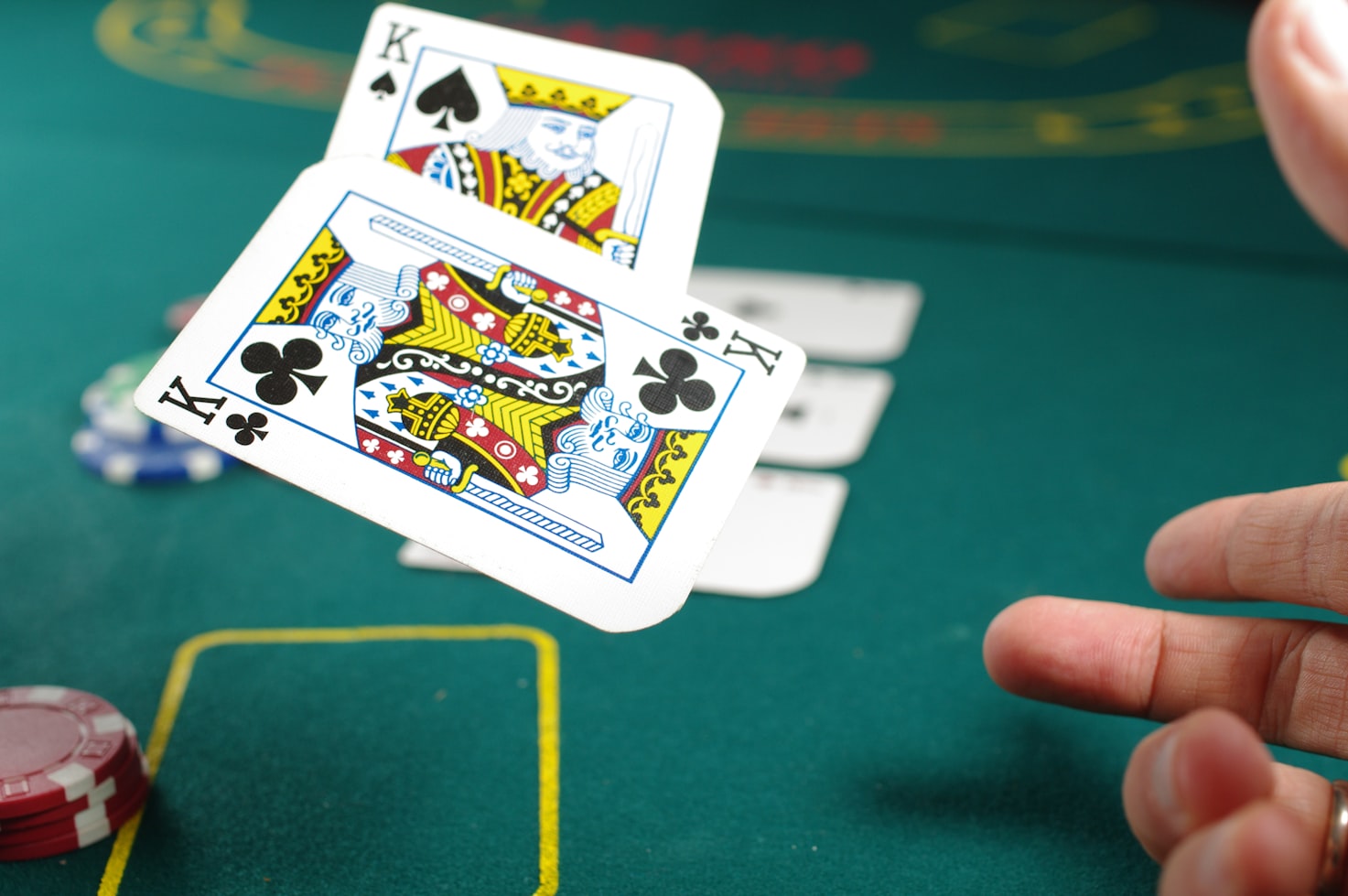
Choosing games with a lower house edge is another smart tactic. As previously mentioned, games like blackjack or certain poker variations typically offer more favorable odds compared to high house edge options like slots or keno. By conducting research and selecting games that provide better chances of winning, players can effectively decrease the casino’s overall advantage and create more opportunities for successful outcomes. This informed game selection can lead to a more satisfying experience, as players are more likely to understand the odds they are facing.
Additionally, leveraging bonuses and promotions offered by casinos can significantly help players minimize losses. Many establishments provide incentives like sign-up bonuses, free spins, or loyalty programs that reward consistent players. By taking advantage of these offers, players can extend their gaming sessions and increase their chances of hitting wins, thereby offsetting any potential losses they may incur during their time at the casino. Understanding the terms and conditions of these promotions is key to maximizing their benefits and minimizing risks.
Exploring Responsible Gaming Resources
Responsible gaming is an essential aspect of the gambling experience that players must understand, particularly given the inherent house edge. Many casinos offer resources and programs to promote responsible gaming practices. These initiatives may include self-exclusion programs, cooling-off periods, and access to gambling addiction support services. Such resources empower players to make informed choices and ensure their gaming remains a source of entertainment rather than potential harm. Being aware of these resources is a crucial step toward healthier gambling habits.
It is crucial for players to educate themselves on the signs of gambling addiction and know when to seek help. Understanding that gambling should be a form of entertainment—not a source of financial stress—is vital. By remaining informed and utilizing available resources, players can cultivate a healthier approach to gaming, allowing them to appreciate the thrill of gambling without succumbing to detrimental habits. Knowledge about responsible gaming can create a more sustainable and enjoyable experience.
Moreover, various online platforms provide support and guidelines for safe gaming practices. Websites dedicated to responsible gaming offer insights on how to enjoy gambling while staying within personal limits. These resources may feature interactive tools that help individuals track their gambling habits, promoting self-awareness and control. Utilizing these resources can significantly enhance one’s gaming journey, ensuring that responsible gaming principles are prioritized and respected. Embracing these tools can be instrumental in maintaining a balanced approach to gambling.